& Environment
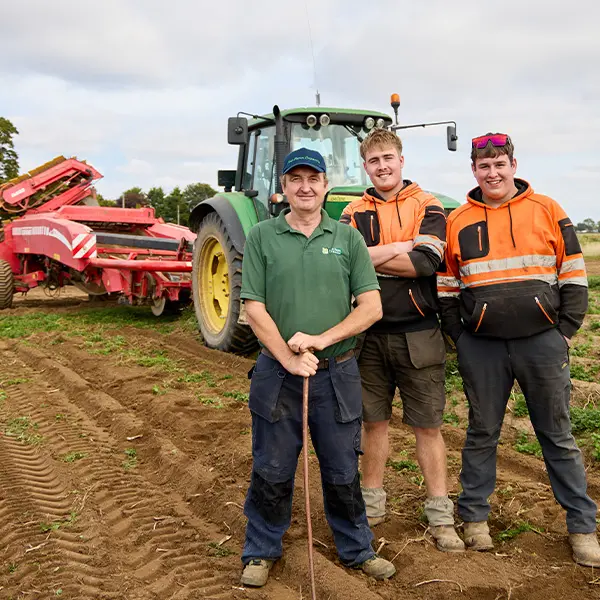
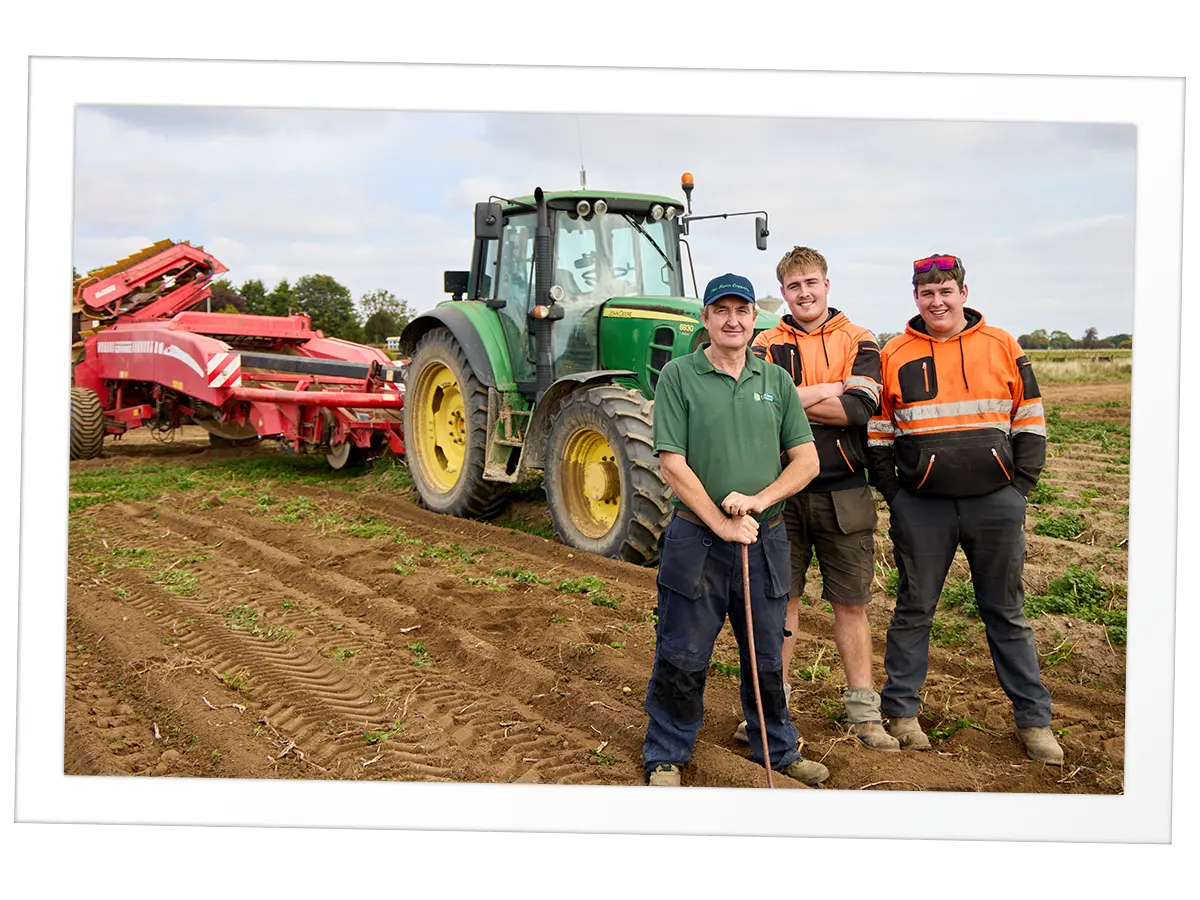
Sustainability at New Farm Organics is not a marketing exercise, it’s a result of generations of farming experience and long-term thinking.
Our approach to organic farming focuses on protecting soil health, supporting wildlife and producing high-quality food in a way that allows the land to remain productive for generations to come.


A Soil-First Approach
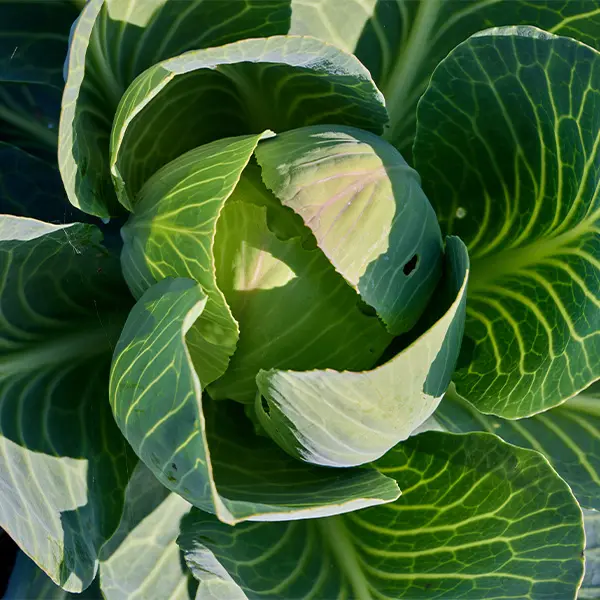
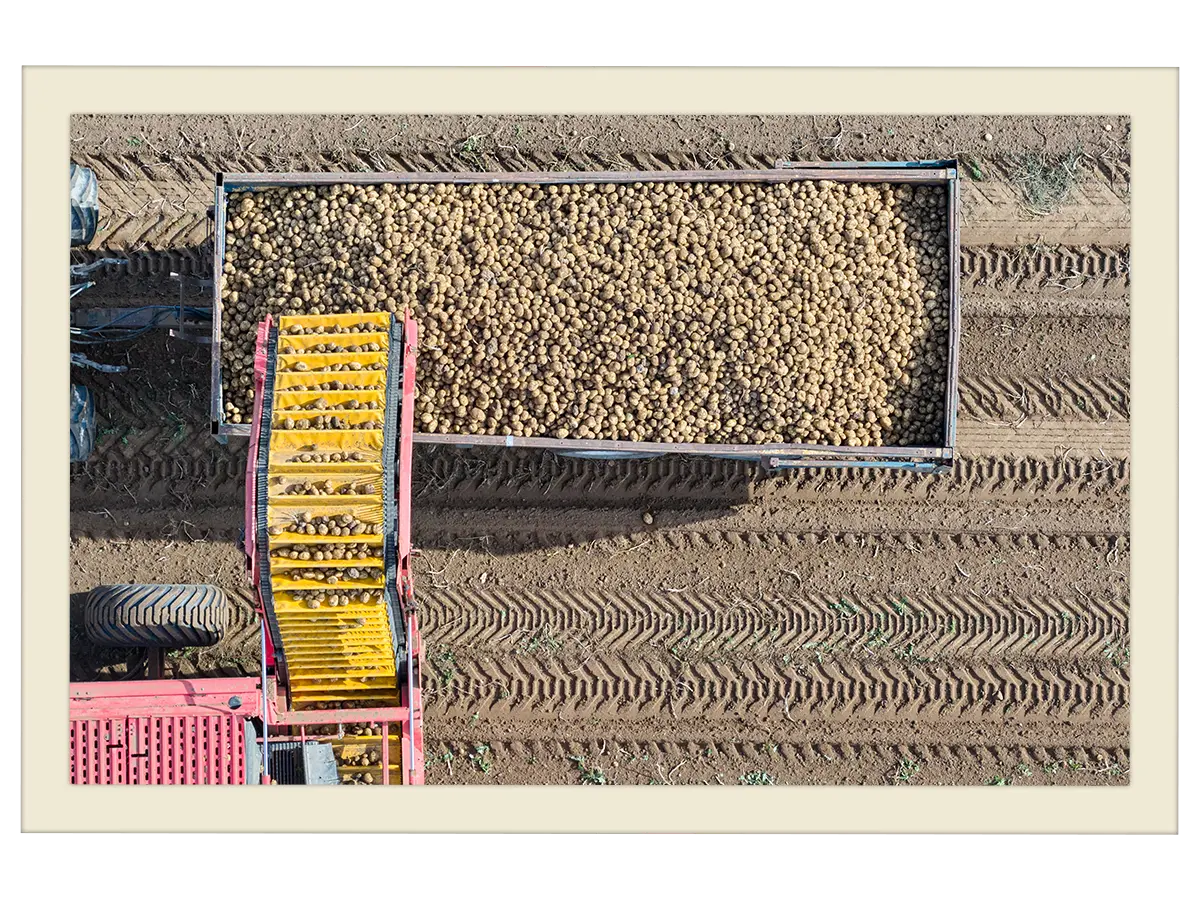
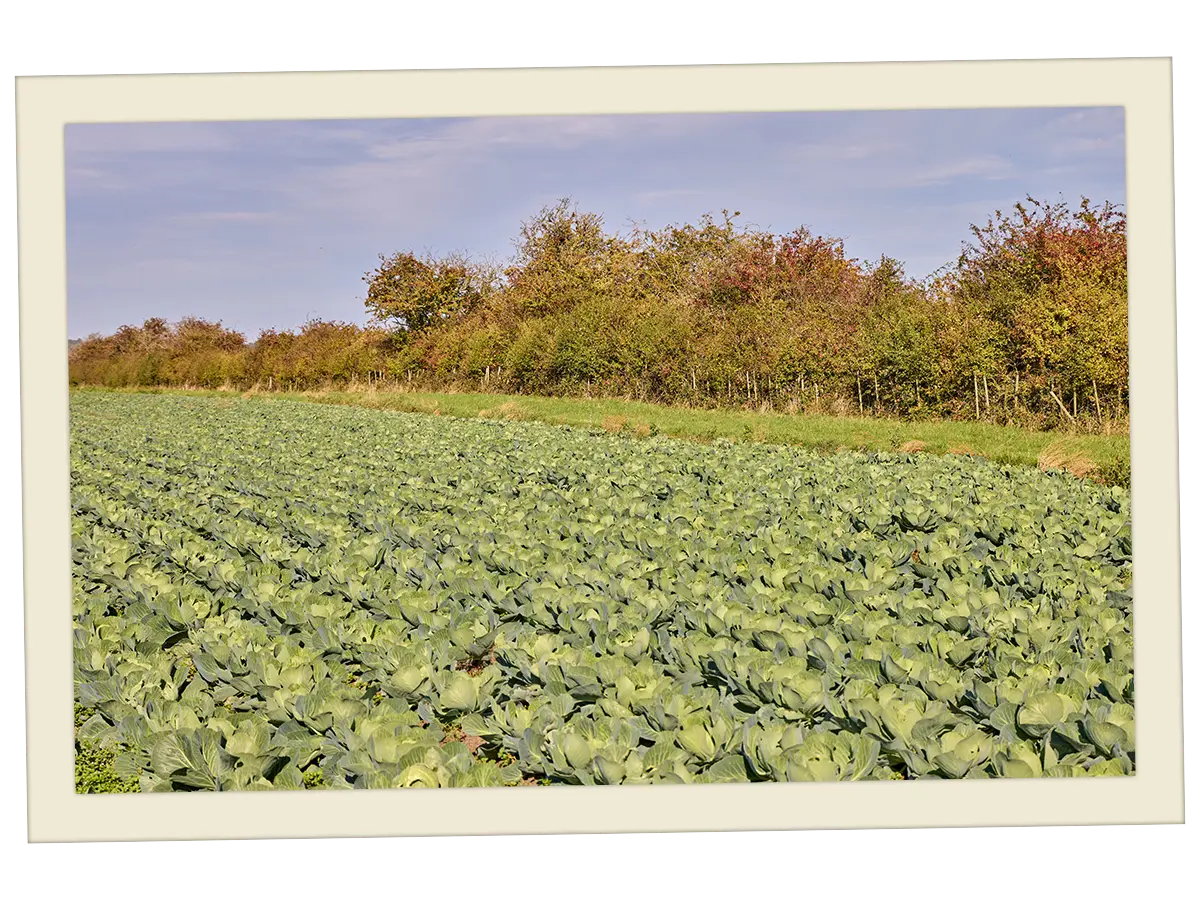
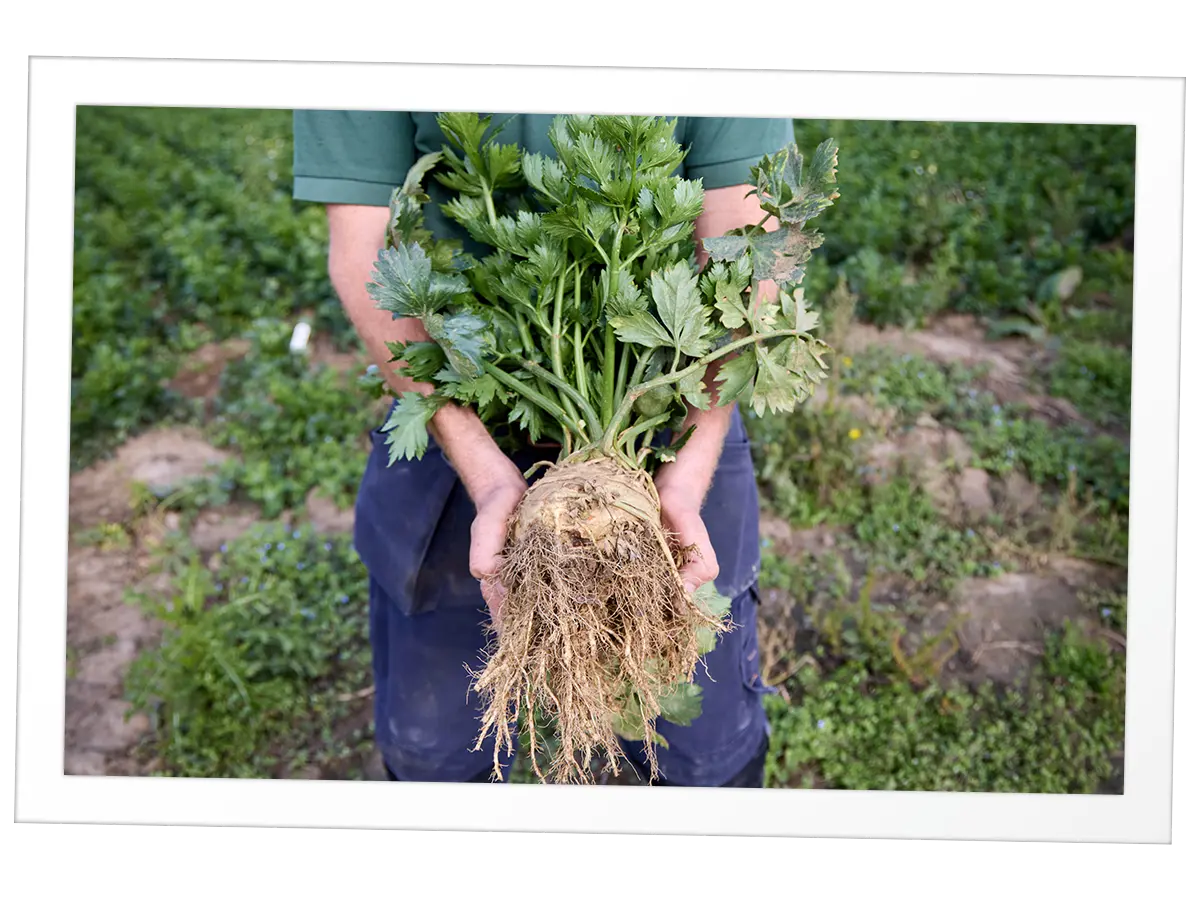
Healthy soil is the foundation of everything we do. Our land has been managed without pesticides and artificial fertilisers for well over a century, allowing soil structure, biology and fertility to develop naturally.
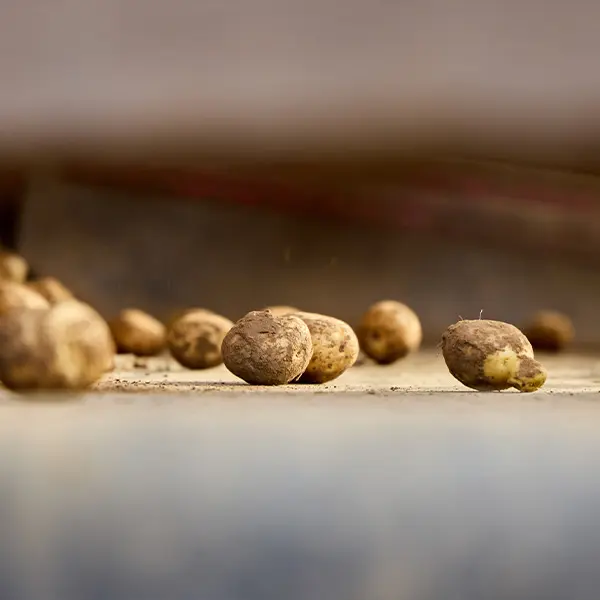
Crop rotations, organic matter return and careful livestock integration all play a role in maintaining resilient, productive soils.
By working with the land rather than forcing yields, we produce crops that are consistent, robust and naturally suited to organic systems.
Farming with Nature
Our farms lie deep within the Lincolnshire fens and have long been a haven for wildlife. Traditional hedgerows, some of them decades old, provide shelter and food for birds and mammals, while grass margins and wildflower areas support pollinators and beneficial insects.
With guidance from local farming and wildlife advisory groups, forty acres of land have been taken out of arable production and returned to pastureland. Ponds and shallow scrapes have been created to support birdlife, and hedges have been planted to strengthen natural field boundaries.
Livestock & the Environment
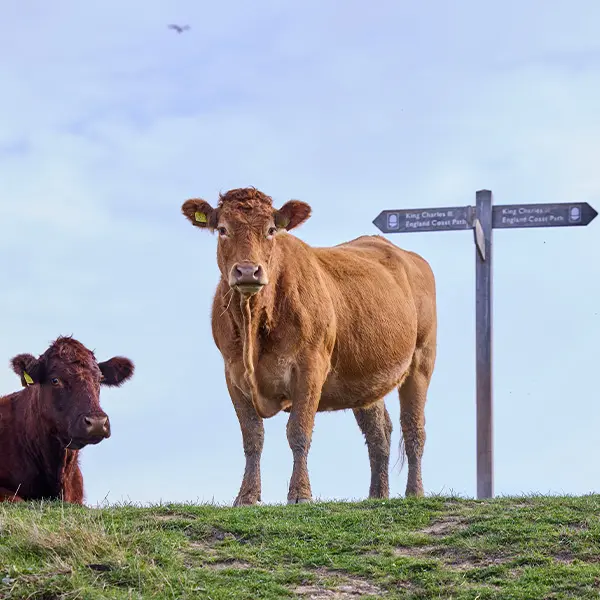
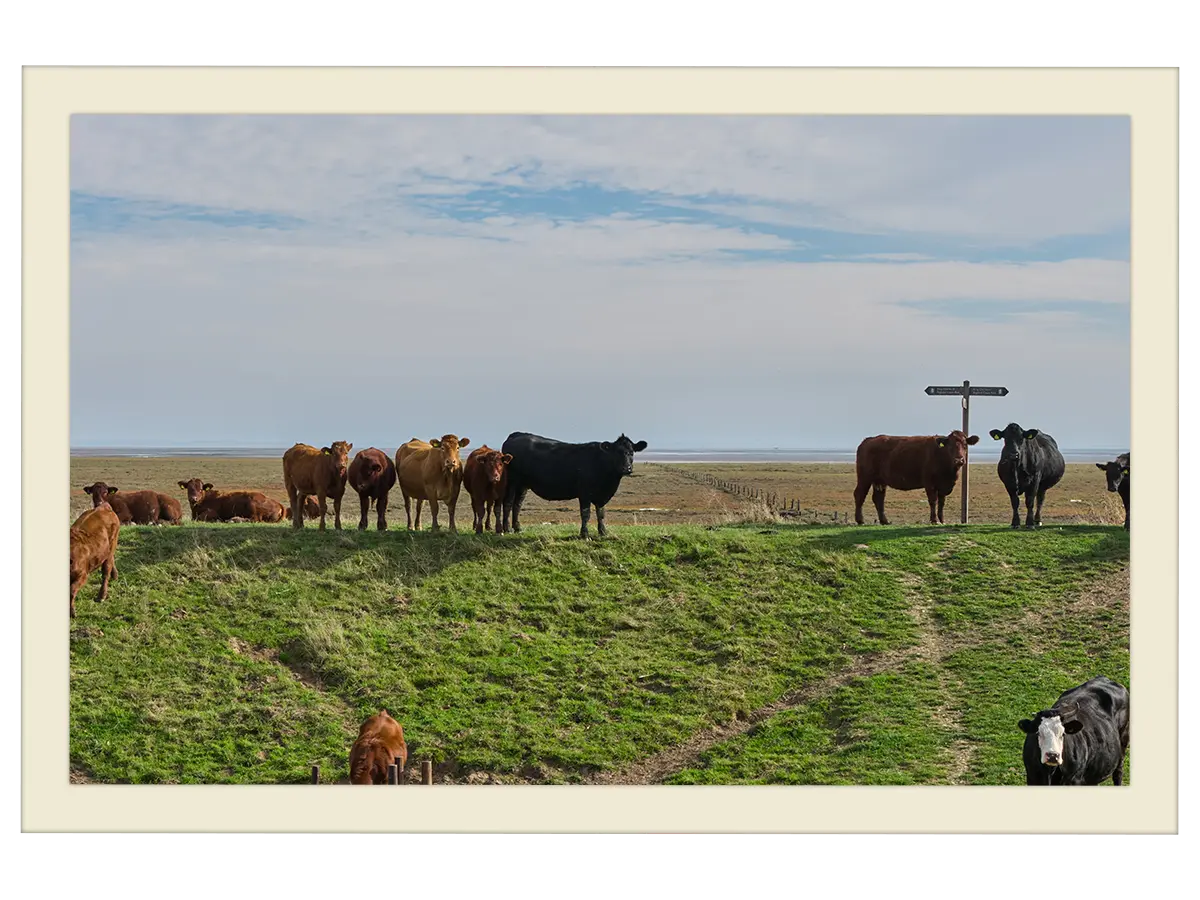
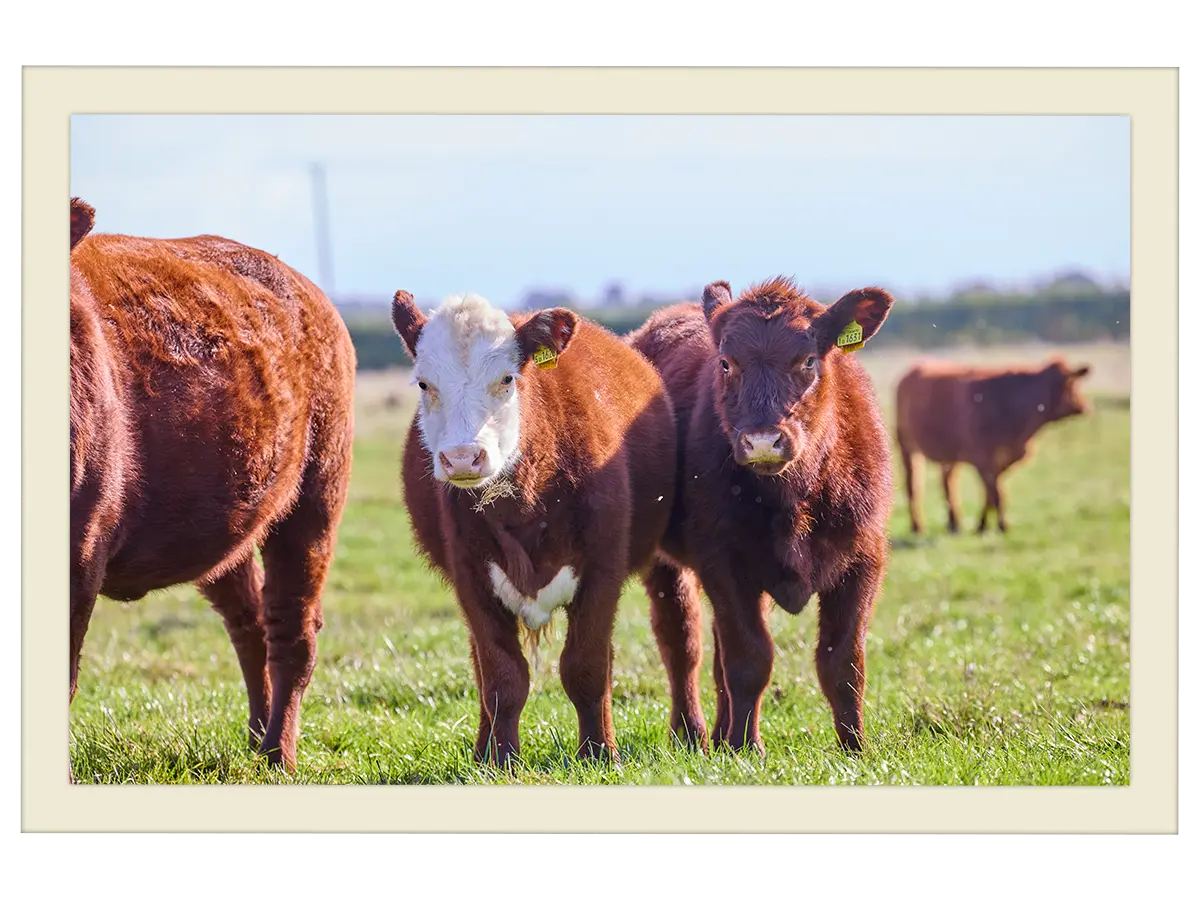
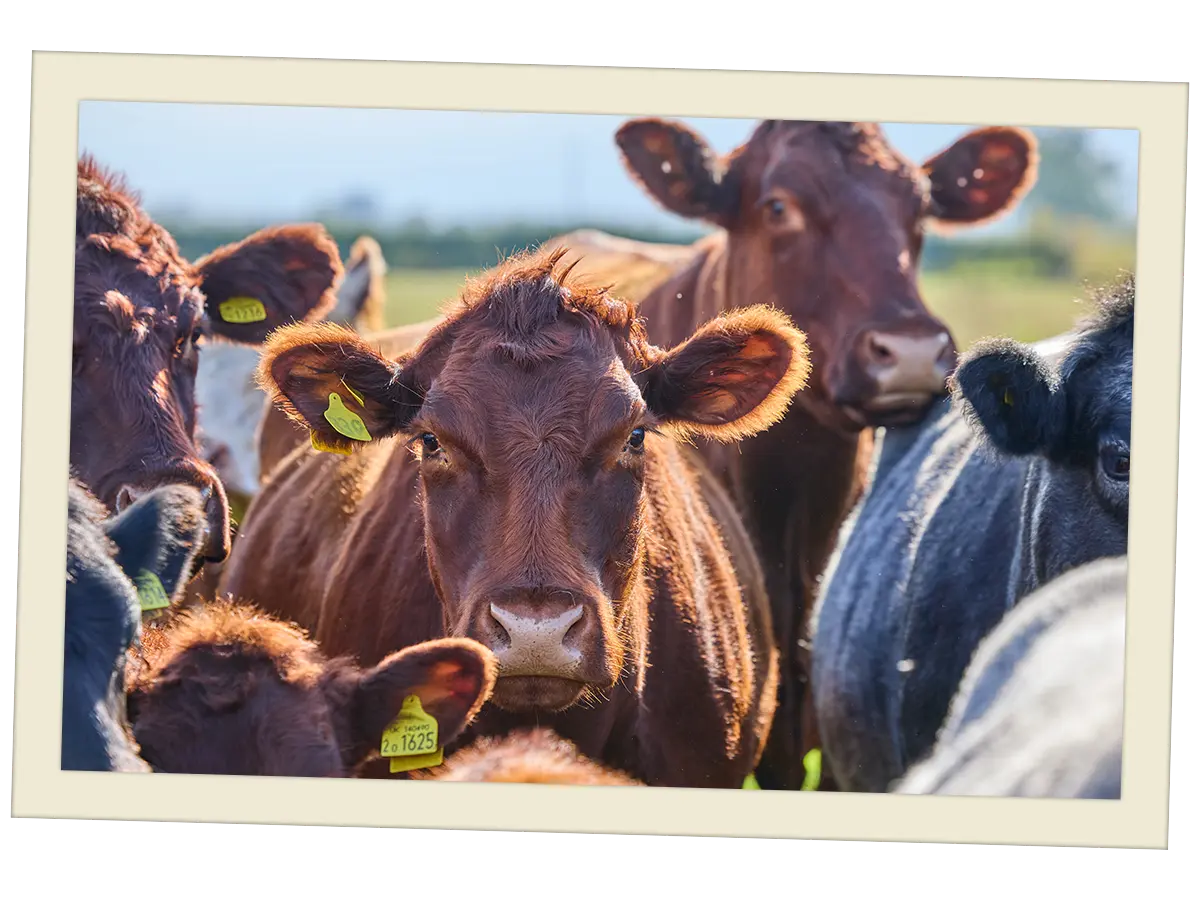
Livestock plays an important role in the wider environmental balance of the farm. Grazing cattle help manage grassland naturally, while returning organic matter to the soil through manure. This improves soil structure, increases fertility and reduces reliance on external inputs.
By integrating livestock with crop production, we maintain a circular farming system that benefits both the land and the quality of the food we produce.
Responsible, Long-Term Farming
Environmental awareness is central to the way New Farm Organics operates. Decisions are made with long-term impact in mind — not just for the next season, but for the next generation. This measured approach allows us to produce certified organic food while protecting the landscapes, habitats and soil that make farming possible.